
Garage door question
Is the garage door problem in the opener or the door?
Record what the controls do without forcing an unreliable door to move.
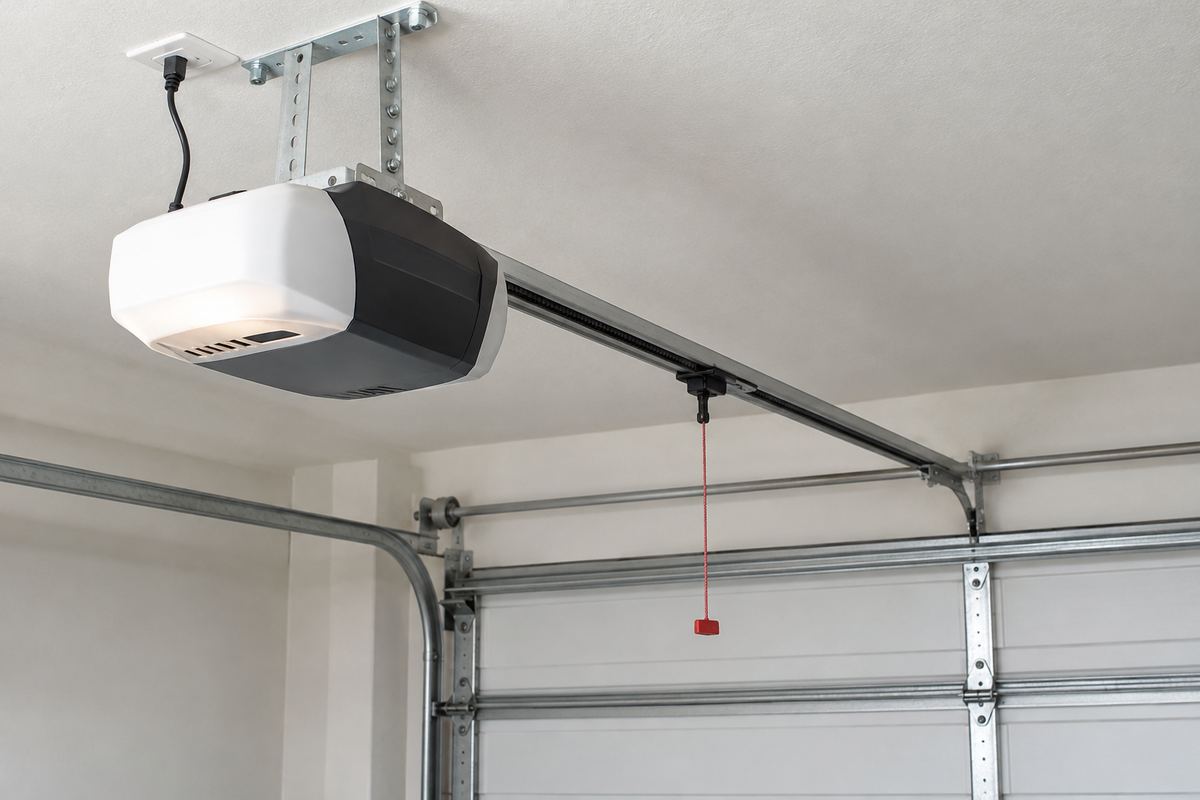
- 01Controls respond?
Record which control was used; do not keep testing a suspect door.
- 02Motor operates?
A silent motor and running motor are different observations.
- 03Door movement observed?
Binding or instability can affect the opener response.
- 04Describe the symptom; do not diagnose
A professional assessment connects the observations to a repair scope.
Start with the existing response
A silent motor, flashing light, motor noise without movement and repeated reversing are different observations. Record what already happened rather than repeatedly testing the equipment. Note which control was used and any model information safely visible.
Keep the door system in the assessment
A drive or control fault is one possibility, but a binding or damaged door can also affect the opener. Ask the technician to explain both the door condition and the proposed opener work before choosing a replacement.
Do not bypass a safety function
Do not defeat sensors or increase force to close a door. If the door is unstable, off-track or has a suspected spring/cable failure, stop operation and keep clear. Use the symptom record below to prepare the assessment conversation.
Connect this decision to the service scope
Before discussing an assessment, read the garage door opener repair and replacement scope and preparation questions so the proposed work and exclusions are clear.
Your symptom conversation record
Use this local checklist to prepare questions. Your selections stay in this page and are not submitted.
Sources and further reading
Questions to bring to the assessment
- What is included in the proposed work?
- Who confirms compatibility and any required approvals?